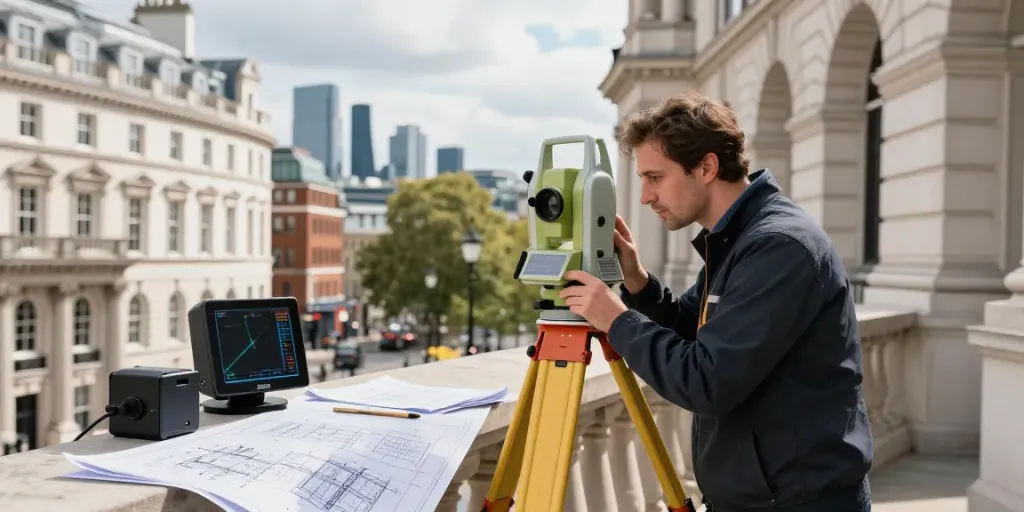
Understanding Measured Building Surveys
In the world of architecture and construction, precision is paramount. This is where measured building surveys come into play, providing crucial data that ensures projects are built to exact specifications. As the mainstay of any successful construction or refurbishment project, these surveys play an essential role in capturing detailed information about a building's structure and overall integrity. For those in need of reliable surveying services, Measured Building Surveyors London can offer the expertise required to navigate complex urban landscapes and architectural demands.
What is a Measured Building Survey?
A measured building survey is a comprehensive assessment that accurately documents the dimensions, spatial relationships, and conditions of a physical structure. This involves the utilisation of advanced surveying techniques and tools to capture data such as height, width, depth, and volume. The output typically includes detailed drawings and models, which serve as essential references for architects, engineers, and builders during the design and construction phases.
The Importance of Accurate Measurements
Accurate measurements are critical for various reasons. Firstly, they ensure compliance with local building regulations and standards. Secondly, they help to identify potential structural issues early on, allowing for timely interventions. Finally, precise data assists architects and designers in creating spaces that are functional and visually appealing, thereby enhancing user experience.
Common Applications in Architecture and Construction
Measured building surveys are integral to several aspects of architecture and construction. They are commonly utilised in:
- Renovations and refurbishments, where understanding the existing structure is vital.
- Extensions, to ensure new works integrate seamlessly with the original building.
- Heritage projects, where preservation of historical details is essential.
- Site planning, where accurate land data informs design decisions.
Technology in Surveying
The advancement of technology has revolutionised the field of surveying, enabling measured building surveyors to deliver high-quality data with enhanced accuracy and efficiency. The integration of modern tools allows for more complex and detailed surveys to be conducted in less time.
Advanced Tools Used by Measured Building Surveyors London
Professionals in the field employ a variety of tools, including:
- Total Stations: These devices combine electronic distance measurement with angular measurement, providing precise 2D and 3D data.
- Laser Scanners: Capable of capturing millions of data points, laser scanners create detailed 3D point clouds that represent the surveyed environment.
- GPS and GNSS Systems: These technologies provide accurate geolocation data, enabling integration with mapping and CAD systems.
Benefits of Laser Scanning for Precision
Laser scanning stands out due to its ability to quickly and accurately capture large amounts of data in a non-invasive manner. This technology provides numerous benefits, such as:
- High-resolution data acquisition, which allows for a detailed view of complex structures.
- Speed, as surveys can be completed significantly faster than traditional methods.
- Safety, as it reduces the need for physical access to potentially hazardous areas.
How Technology Enhances Surveying Accuracy
Integrating advanced technology into surveying practices improves accuracy by minimising human error and automating data processing. Furthermore, these technologies facilitate better communication and collaboration among project stakeholders, ensuring everyone is aligned from design to execution.
Choosing the Right Surveying Company
Selecting the right surveying company can significantly impact the success of your project. It’s essential to consider various factors before making a decision.
Key Factors to Consider When Selecting Measured Building Surveyors
When evaluating potential surveying partners, look for the following attributes:
- Experience: Choose surveyors with a proven track record in the type of project you are undertaking.
- Technological Capability: Ensure they are equipped with modern tools and techniques that enhance accuracy and efficiency.
- Industry Reputation: Research reviews and testimonials from previous clients to gauge satisfaction levels and performance.
Evaluating Qualifications and Experience
Verify the qualifications of surveying personnel, including certifications from recognised professional bodies. Experience in handling projects similar to yours is invaluable, as it indicates familiarity with potential challenges and industry standards.
Comparing Costs and Services
While cost is an essential factor, it should not be the sole determinant. Obtain detailed quotes from multiple companies, comparing not only prices but also the services included. A slightly higher fee may translate into better accuracy and more comprehensive reporting, ultimately proving more cost-effective.
Real-World Applications
To truly understand the significance of measured building surveys, it's beneficial to examine real-world applications and case studies where these surveys have facilitated positive outcomes.
Case Studies of Successful Projects in London
In London, numerous projects have successfully utilised measured building surveys. For example, when architect firms engaged in refurbishment work on historic buildings in the city, precise surveys helped preserve architectural integrity while modernising facilities.
Another case involved extensive renovations in commercial properties where accurate space measurements allowed for optimally designed office layouts, enhancing functionality and client satisfaction.
Challenges Faced and Solutions Implemented
Projects often face challenges, such as unexpected structural issues or congested urban environments. Measured building surveys can identify these challenges early on, allowing surveyors and project managers to implement effective solutions that mitigate risks and adhere to project timelines.
Testimonials from Satisfied Clients
Many clients have expressed satisfaction with the outcomes achieved through the precise data obtained from measured building surveys. Positive feedback often highlights aspects such as improved project timelines, more informed decision-making, and successful compliance with regulations.
The Future of Building Surveys
As technology continues to evolve, the future of building surveys is set to undergo significant transformations. Here are some predicted developments that professionals in the field should anticipate.
Emerging Trends in Surveying Techniques
Emerging trends suggest a growing reliance on BIM (Building Information Modelling) integration, drones for aerial surveys, and augmented reality tools for visualising data. These innovations aim to enhance the design process, making it more efficient and interactive.
Predicted Developments for 2026 and Beyond
By 2026, the surveying industry is likely to see an increased focus on sustainability, with measured building surveys contributing to energy-efficient designs and environmentally friendly practices. Additionally, we can expect further advancements in automation, which will streamline operations and improve accuracy.
How Measured Building Surveyors are Adapting to Market Changes
Measured building surveyors are adapting to changing market conditions by embracing technology and enhancing their skill sets. Continuous professional development ensures that surveyors remain adept at utilising the latest tools and methodologies.
What is the average cost of a measured building survey in the UK?
The cost of a measured building survey can vary significantly depending on several factors, including the size of the property, complexity of the survey, and the specific services required. On average, clients can expect to pay between £500 to £2,500 for comprehensive surveys. It's important to obtain quotes from several providers to ensure competitive pricing.
How long does a measured survey take?
The timeframe for completing a measured survey generally ranges from a few days to several weeks, depending on the project's scale and complexity. Factors such as site access and the technology used can also influence the duration. Engaging with experienced surveyors can help streamline the process and reduce delays.
How to know if a surveyor is good?
Evaluating surveyors involves looking at their qualifications, experience, and client testimonials. A reputable surveyor should be able to provide references and a portfolio of past projects. Additionally, checking for membership in professional bodies can be a good indicator of their legitimacy and commitment to quality.