Understanding Security Solutions for Local Businesses
In today's dynamic landscape, ensuring robust security for your local business is paramount. Security solutions not only safeguard your physical premises, assets, and personnel but also help cultivate a sense of trust among your customers. Whether you run a retail store, a corporate office, or a construction site, understanding and implementing effective security measures can be a decisive factor in maintaining operational continuity and protecting your reputation. When exploring options, Security Solutions can provide comprehensive insights into the latest practices tailored to your needs.
What Are Security Solutions and Their Importance?
Security solutions encompass a variety of services and technologies designed to protect individuals, businesses, and properties from potential threats. They can include manned guarding, access control systems, surveillance cameras, alarm systems, risk assessments, and personal protection details. The importance of these solutions is underscored by the rise in security concerns faced by businesses today. From theft and vandalism to larger, more organized criminal offenses, the potential risks can be devastating if unaddressed.
Key Components of Effective Security Solutions
To formulate an effective security solution, consider the following key components:
- Risk Assessment: Identifying vulnerabilities within your business to tailor your security approach effectively.
- Access Control: Implementing measures to restrict unauthorized access through locks, ID cards, or biometric systems.
- Surveillance: Utilizing CCTV cameras and monitoring systems to deter criminal activity and provide evidence in case of an incident.
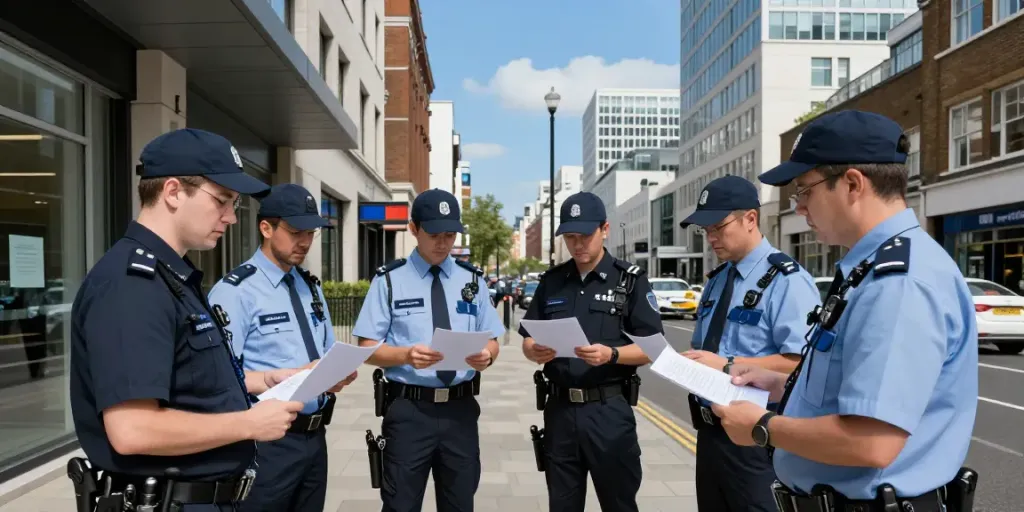
- Manned Guarding: Employing trained security personnel who act as a visible deterrent and can react promptly to incidents.
- Emergency Response Plans: Establishing a framework for dealing with security breaches or other emergencies ensures swift action when needed.
Specific Security Needs for Different Local Sectors
Each sector presents unique security challenges. For instance:
- Retail: Preventing shoplifting and ensuring customer safety.
- Corporate: Protecting sensitive information and maintaining a secure environment for staff and clients.
- Construction Sites: Securing valuable materials and equipment from theft and vandalism.
- Healthcare: Managing access to sensitive areas while ensuring the safety of patients and staff.
How to Choose the Right Security Provider in London
Selecting the right security provider is crucial to ensure comprehensive protection for your business. Look for companies that demonstrate a commitment to quality through their certifications and service offerings.
Evaluating Certifications and Accreditations
When assessing potential security providers, verify that they hold relevant certifications such as SIA (Security Industry Authority) and NSI (National Security Inspectorate) approvals. These accreditations indicate that the company adheres to strict industry standards concerning personnel training, operational procedures, and quality control. An accredited service provider likely invests in the welfare of its staff and the quality of its services, which translates to better security for your business.
Customer Reviews: What to Look For
Pay attention to customer reviews and testimonials. They can provide valuable insights into the effectiveness and reliability of a security provider. Look for consistently positive feedback regarding response times, professionalism, and the ability to address specific security needs. Additionally, ask for case studies relevant to your sector to gauge how well they have handled similar challenges in the past.
Questions to Ask Before Hiring a Security Company
When engaging with potential security providers, ask the following key questions:
- What experience do you have in my industry?
- Can you detail your training processes for security personnel?
- How do you handle incident reporting and communication?
- What types of technology and equipment do you utilize?
- Are your services customizable based on my specific needs?
Pricing Guides for Security Services
Understanding the pricing structure for security services can help you find a balance between quality and cost. Typically, security companies charge a variety of rates depending on the nature of the service provided.
Typical Costs for Different Security Solutions
The costs for hiring security firms can vary. For example:
- Manned Guarding: £12 to £20 per hour.
- Event Security: £15 to £30 per hour depending on the scale of the event and required personnel.
- Close Protection Services: £50 to £100 per hour for higher-risk individuals.
Cost Breakdown for Event Security vs. Manned Guarding
When comparing event security to manned guarding, it's important to consider the scope of your needs. Event security may require more staff per hour due to the dynamic environment, whereas manned guarding may involve fewer personnel but an established, longer-term engagement. A price breakdown might include:
- Pre-event site survey and planning fee.
- Hourly rates for security personnel on-site.
- Additional costs for equipment rental (e.g., radios, barriers).
Understanding Additional Fees and Charges
Always clarify any potential additional fees associated with your contract. These can include service setup fees, costs for extra security measures, or overtime charges. Ensure you have a comprehensive contract that outlines all fees to avoid unexpected costs later on.
Legal and Compliance Considerations for Security Services
It is essential to understand the legal landscape governing security services in London to ensure compliance and protect your business.
Licensing Requirements for Security Companies in London
Security companies operating in London must comply with the regulations set forth by the SIA. They require all individuals in designated roles (e.g., security guards, door supervisors) to have appropriate licenses confirming their training and suitability for their roles. Confirm that any security provider you consider maintains valid licenses.
Insurance Policies You Should Expect
A reputable security firm should have comprehensive insurance policies that cover liabilities arising from their security operations. This includes employer's liability insurance, public liability insurance, and professional indemnity insurance. Ensure that they provide proof of these policies before you enter into a contract.
Compliance with Local Regulations and Standards
In addition to licensing, security firms must comply with various local regulations and industry standards. This includes adherence to health and safety regulations, data protection laws (like GDPR), and specific requirements relevant to your sector (especially for healthcare or educational facilities).
Benefits of Proactive Security Measures
Adopting a proactive approach to security can significantly reduce the risks and damages associated with potential threats to your business.
How Preventative Actions Mitigate Risks
Establishing preventive measures such as regular security audits, employee training sessions, and the installation of advanced surveillance systems can significantly decrease the likelihood of security breaches. Having a strong security culture also encourages employees to report suspicious activities, creating an overall safer workplace.
Implementing Technology in Security Solutions
Technology plays a crucial role in contemporary security solutions. Utilizing integrated systems that combine video surveillance with alarms, access controls, and analytics provides a holistic approach to security, allowing for real-time monitoring and quicker response times.
Creating a Culture of Safety in Your Business
Fostering a culture of safety involves equipping your employees with the necessary knowledge and resources to respond effectively to potential risks. For more information, Security Solutions offers valuable insights. This can be achieved through regular training programs, awareness campaigns, and encouraging open communication about security concerns.