Understanding Hot AI: What It Is and How It Works
The realm of artificial intelligence (AI) continues to evolve rapidly, with innovations making waves in various sectors, especially in creative industries. Understanding hot ai involves recognizing how these technologies are reshaping artistic expressions, design methodologies, and user engagement. This article will delve into what defines hot AI, the key technologies behind it, and how it is redefining the landscape of art and creativity.
What Defines Hot AI in Creative Applications?
Hot AI can be characterized by its ability to generate, enhance, or even curate creative content seamlessly. Unlike traditional AI models, which focus largely on automation and efficiency, hot AI incorporates advanced algorithms that propel creativity to new heights. For instance, applications that utilize hot AI create art, music, and even literature that often match or surpass human creativity.
Key Technologies Behind Hot AI Innovations
Several pivotal technologies contribute to the success of hot AI in artistic domains:
- Generative Adversarial Networks (GANs): These networks pit two neural networks against one another, enabling the generation of highly realistic images and sounds.
- Natural Language Processing (NLP): NLP is vital for creating chatbots and narratives that engage users in meaningful dialogues, bringing a new dimension to storytelling.
- Machine Learning (ML): ML algorithms analyze vast datasets to learn patterns and produce content that resonates with audiences.
The Evolution of AI in Art and Design
Historically, the integration of AI in art began with simple algorithms capable of rudimentary designs. Over the years, we have witnessed an explosion of sophisticated tools that leverage AI to produce unique, thought-provoking art. These advancements have not only expanded the definition of artistry but have also democratized access to art creation.
Leveraging Hot AI for Enhanced Creativity
Incorporating hot AI into creative processes can lead to significant improvements in quality and efficiency. By leveraging these tools, creators can explore new artistic boundaries and optimize their workflows. This section explores practical uses and highlights some transformative tools available today.
Practical Uses of Hot AI in Artistic Workflow
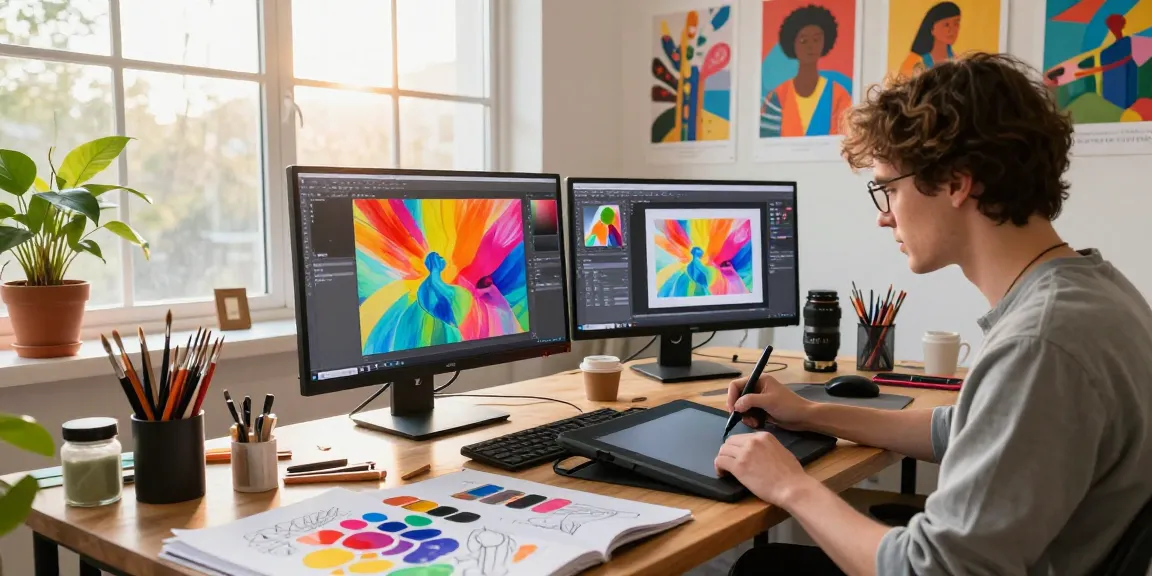
Hot AI applications have found a wide array of uses in the artistic workflow. Some tangible examples include:
- Image Generation: Tools like DALL-E and Artbreeder allow artists to generate artwork based on simple prompts, inspiring new creations.
- Music Composition: AI music generators can collaborate with composers, offering suggestions that enhance creativity and innovation.
- Interactive Installations: Artists are using AI to create installations that adapt and respond to audience interactions in real time.
Hot AI Tools That Can Transform Your Art
Several innovative tools leverage hot AI trends, making them indispensable for contemporary artists. Some noteworthy platforms include:
- DeepArt: This tool enables users to transform photos into artworks using the styles of famous artists.
- Runway ML: An AI-powered suite that enhances video editing, enabling creators to use AI to enhance visuals dynamically.
- Adobe Sensei: Adobe’s AI engine that provides various features to streamline design processes and improve user experience.
Case Studies: Successful Creatives Using Hot AI
Numerous artists and designers have integrated hot AI into their workflows with remarkable success. For example, artist Mario Klingemann has gained recognition for his AI-generated pieces, which challenge the conventions of human creativity. Similarly, musical duo YACHT used AI to co-write their album, demonstrating how technology can augment the creative process.
Challenges and Misconceptions of Hot AI
While the promise of hot AI is immense, certain challenges and misconceptions can hinder its adoption. Understanding these obstacles is crucial for creatives who wish to utilize AI effectively.
Common Misunderstandings About AI in Art
There are prevalent misconceptions surrounding AI’s role in art, often framed as a threat to traditional artistic practices. However, many creators view AI as a collaborative tool rather than a replacement, emphasizing that it can enhance rather than diminish the human touch in artistry.
Addressing Ethical Concerns Surrounding AI Creations
Ethics in AI-generated content remains a significant topic of discussion. Issues such as copyright infringement and originality pose challenges that artists must navigate thoughtfully. Ensuring proper attribution and understanding the implications of using AI-generated content is essential for ethical practice in art.
Technical Challenges Facing AI Adoption
Despite its potential, the adoption of hot AI technologies is not without obstacles. Issues such as data bias, technical expertise, and the need for understanding AI’s limitations present significant challenges. Addressing these technical hurdles through education and community support can pave the way for broader acceptance of AI in the creative sectors.
Best Practices for Integrating Hot AI
To harness the power of hot AI, artists and creators must adopt best practices that ensure effective integration into their workflows. This section outlines actionable steps to successfully incorporate AI tools.
Step-by-Step Guide to Using Hot AI Tools
Integrating hot AI into your artistic process requires a structured approach. Follow these steps:
- Identify Your Needs: Determine what aspects of your workflow could benefit from AI assistance.
- Research Tools: Explore available hot AI tools that align with your artistic goals.
- Experiment: Start with trial versions to understand how the tools work and how they can enhance your creativity.
- Iterate: Refine your approach based on feedback and results to maximize effectiveness.
Measuring Success: Key Performance Indicators for AI Art
To ensure that hot AI is adding value to your work, utilize key performance indicators (KPIs) such as:
- Engagement metrics from audiences.
- Time saved in the creative process.
- Quality improvements in final outputs compared to previous works.
Future Trends: What’s Next for Hot AI in Creative Fields?
Looking ahead, we can anticipate several trends that will shape the future of hot AI in the creative world:
- Increased Personalization: AI systems will offer more tailored experiences, adapting to individual preferences.
- Collaboration between Humans and AI: More artists will embrace AI not just as a tool but as a collaborative partner in creativity.
- Ethical Frameworks: As AI becomes more ingrained in artistic practices, discussions around ethics and ownership will evolve to reflect new realities.
Frequently Asked Questions about Hot AI
How can Hot AI benefit my artistic process?
Hot AI can streamline workflows, enhance creativity, and provide unique insights and suggestions that may not have been considered.
What are the best Hot AI tools available today?
Some of the top tools include DALL-E, Artbreeder, DeepArt, and Runway ML, each serving different facets of the creative process.
Is Hot AI suitable for all types of artists?
Yes, hot AI can be adapted for various artistic expressions, whether in visual arts, music, writing, or performance.
How do I address ethical concerns when using Hot AI?
It is vital to remain aware of copyright issues, provide attribution for AI-generated content, and engage in ongoing dialogues about ethical practices.
What are the future predictions for Hot AI in art?
AI is expected to become an integral part of the creative process, fostering new forms of collaboration and creativity while presenting novel ethical challenges to be addressed.